In 2024, when I was 38, I had a brain stroke following a medical error. I had two young children, a business, and a life running at full speed. All of it stopped.
In the early months everyone could see it. I lost my hair. The left side of my body was paralysed. I had to relearn how to walk and how to speak.
Then, through months of rehabilitation, I began to look better. That is when the harder part started.
Here is what people could not see. I had lost my peripheral vision, so in a room full of people I could only see the person directly in front of me. Everyone else was a voice arriving from nowhere. If I sat down to play Mahjong, my left hand could not arrange the tiles. At breakfast, I could not manage a knife and fork.
Small things. A life is made of small things, and every one of mine had become work.
I do not blame anyone for missing it. Most people are not unkind. They are literal. They believe their eyes, and their eyes were telling them I was fine. I wanted to be understood without having to explain. I am still learning to explain instead.
We get recovery wrong. We treat it as something with an ending. You get ill, you get better, you move on. For a lot of people there is a much longer chapter after that, the one where you learn to live with what has changed, and it happens after everyone has stopped watching.
I built The Second Act for the woman I was in those years.
She is often the one people worry about least. Her life looks managed. She is capable, she is coping, and she has learned to say fine before the question is finished. What she carries does not show, which is exactly why it is so lonely to carry.
Her disruption might not be illness. It might be motherhood, burnout, divorce, or a career that stopped. The event is not the thread. What comes afterwards is.
This is not a programme and it is not therapy. It does not promise transformation. What it offers is company, honesty, and the belief that starting again is possible in small, ordinary ways.
I call it soft courage. The kind nobody claps for. Getting up. Going slowly. Doing an ordinary day when your life has changed shape.
There is a life after the one that fell apart. This is where I write about finding it.
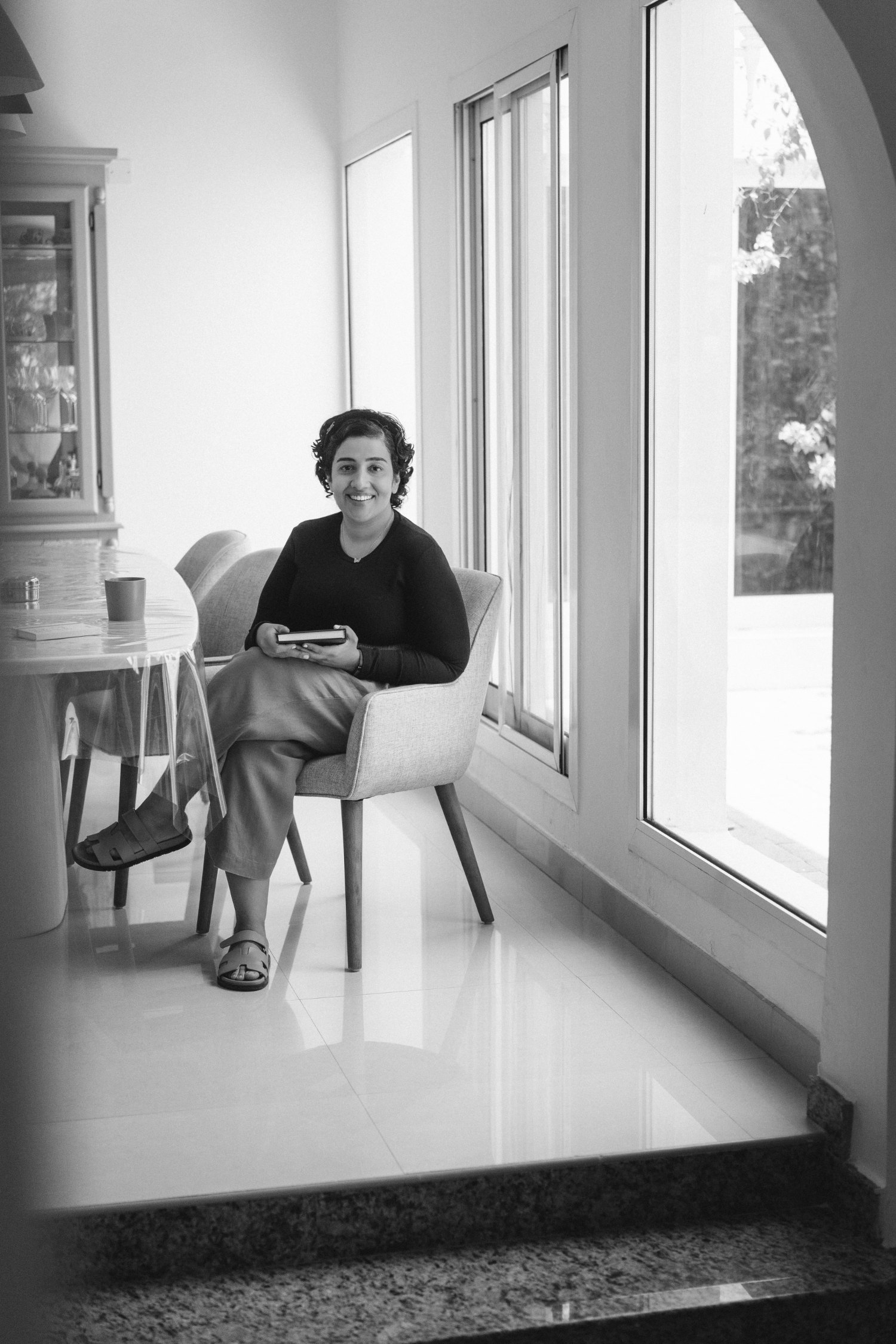
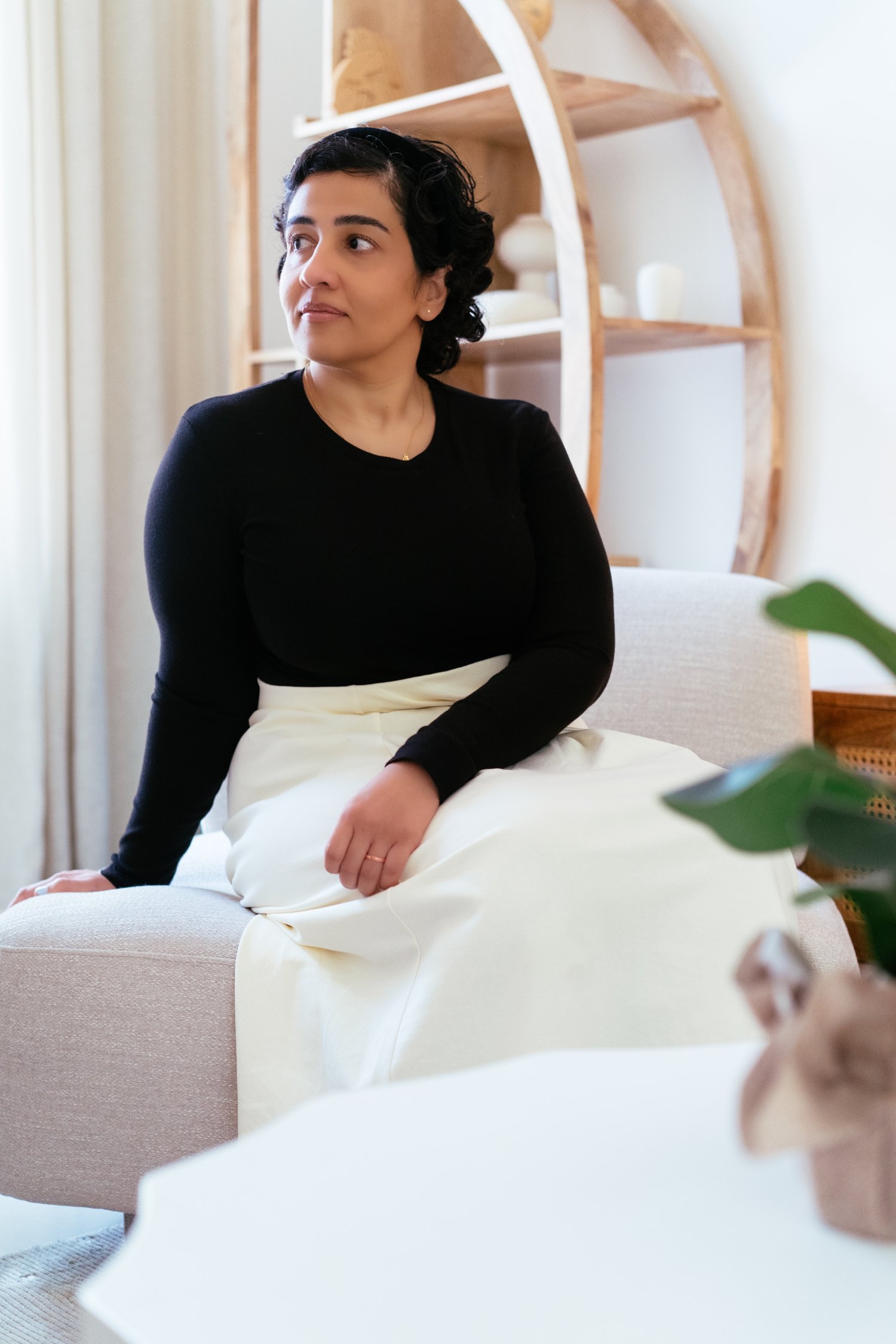
Rucha Daryani. Writer and speaker, Dubai. Author of The Light Never Left, publishing 21 October 2026.